Intro
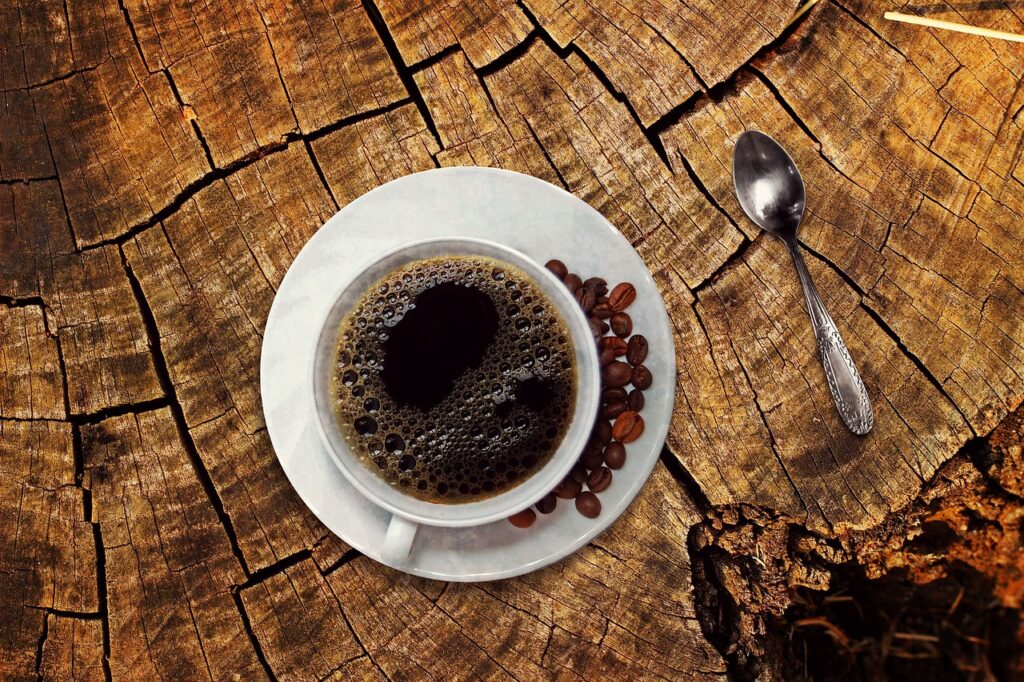
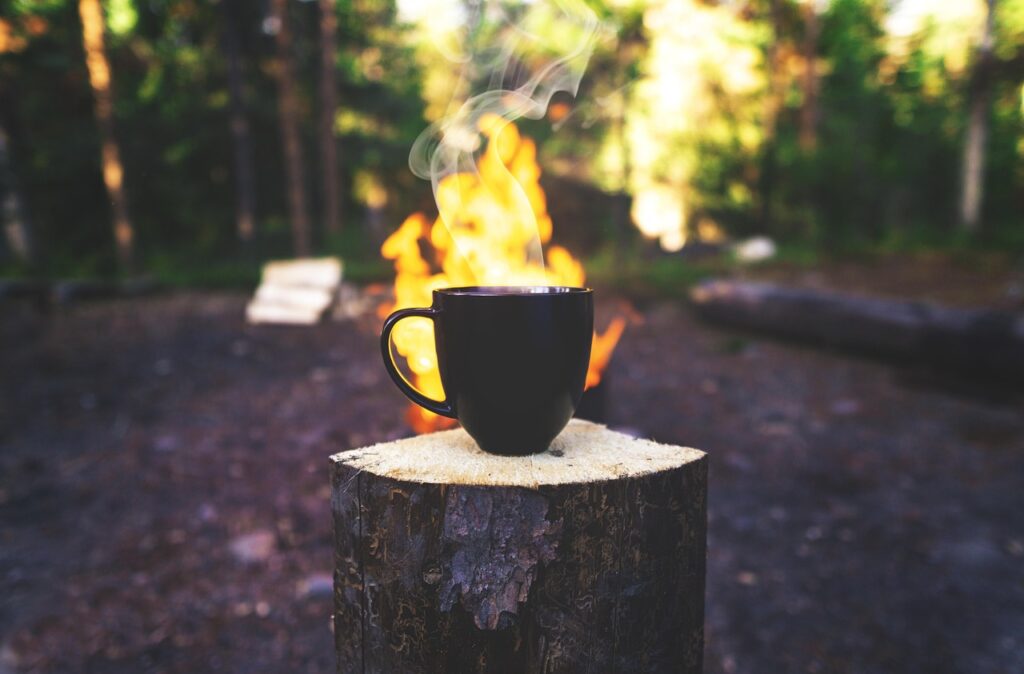
There’s something magical about sipping a hot cup of coffee while the morning mist drifts through the trees, the fire crackles, and birds call from the forest. Coffee outdoors just hits different. But making a great cup of coffee in the wild isn’t as simple as plugging in your favorite drip machine. When you’re camping, your coffee maker needs to balance portability, durability, and ease of use—without sacrificing flavor.
In this guide, we’ll cover everything you need to know about choosing the right coffee maker for camping—from fuel sources and brewing methods to size, durability, and budget. Whether you’re a solo backpacker who wants something ultralight or a family car-camping crew that craves café-quality lattes by the lake, you’ll leave with a clear idea of what to look for.
Why a Camping-Specific Coffee Maker Matters
Sure, you could just toss your at-home machine into the car, but chances are it won’t survive a weekend in the wilderness. Standard drip machines require electricity, delicate components, and flat counter space—all luxuries the outdoors rarely provides.
Camping coffee makers are designed to meet the challenges of outdoor brewing:
- No electricity required – Most are powered by gas stoves, campfires, or manual pressure.
- Durable and portable – Built from stainless steel, aluminum, or tough BPA-free plastics.
- Simple to use – Easy to clean, with few moving parts to break.
- Flavor-focused – Many replicate or even improve on the taste of your home brew.
The right coffee maker makes mornings smoother, boosts morale, and adds comfort to your adventure.

|
|

|
|
|
3.5
|
3.5
|
3.5
|
3.5
|
|
N/A
|
N/A
|
$49.95
|
N/A
|

Key Factors to Consider
When shopping for a camping coffee maker, keep these core features in mind:
1. Brewing Method
Different brewing methods produce different flavor profiles and levels of convenience. Here are the most common options:
- Pour-Over – Lightweight, clean, and flavorful. Great for backpackers.
- French Press – Bold and rich coffee, but requires more cleanup.
- Percolator – Classic campfire coffee, best for groups.
- AeroPress – Compact, fast, and versatile.
- Moka Pot – Strong, espresso-like coffee over a stove or fire.
- Instant Coffee – Easiest and lightest, but least fresh-tasting.
Choosing the right method depends on your style—do you want something quick and no-fuss, or do you see coffee brewing as part of the outdoor ritual?
2. Portability & Weight
For backpackers, every ounce counts. You’ll want something ultralight like a foldable pour-over cone, compact AeroPress Go, or even single-serve instant packets.
For car camping, weight isn’t as much of a concern. A sturdy percolator, full-sized French press, or portable espresso maker might be perfect.
3. Durability
Your coffee maker should survive bumps, drops, and exposure to the elements. Look for:
- Stainless steel – Best for rugged use.
- Aluminum – Lightweight but conducts heat quickly (can burn coffee if not careful).
- BPA-free plastic – Light and affordable, but less durable in extreme heat.
- Silicone – Foldable and flexible, perfect for backpacking.
Avoid fragile glass unless you’re camping close to the car and can handle it carefully.
4. Capacity
Are you brewing for one person or a group?
- 1–2 cups – Best for solo trips or ultralight setups.
- 3–6 cups – Perfect for couples or small groups.
- 8+ cups – Percolators and large presses are ideal for family or group camping.
5. Ease of Use
Early mornings at camp aren’t always the time for complicated brewing. Consider:
- How many steps does it take to brew?
- Does it require filters, and are they reusable or disposable?
- How long does it take from start to finish?
If you want fast caffeine before hitting the trail, a simple method may be best. If mornings are leisurely, you might enjoy a slower, more ritualistic brew.
6. Cleaning and Maintenance
Without a kitchen sink, cleaning gets tricky. Look for coffee makers with:
- Fewer parts to lose or break.
- Easy-to-rinse components.
- No reliance on fragile paper filters (unless you plan to pack them out).
A French press can be messy, while an AeroPress is quick to rinse and clean.
7. Fuel Source
Think about how you’ll heat your water:
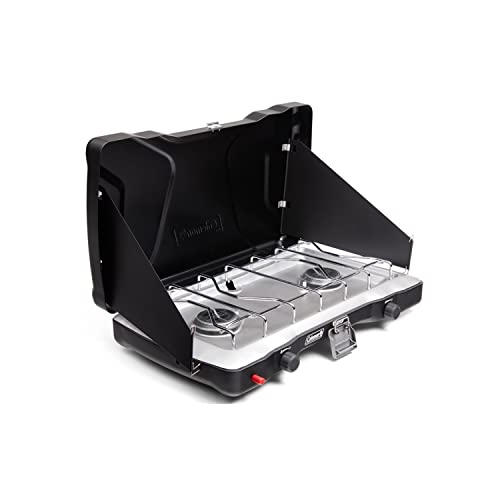
- Camp stove – Reliable and fast.
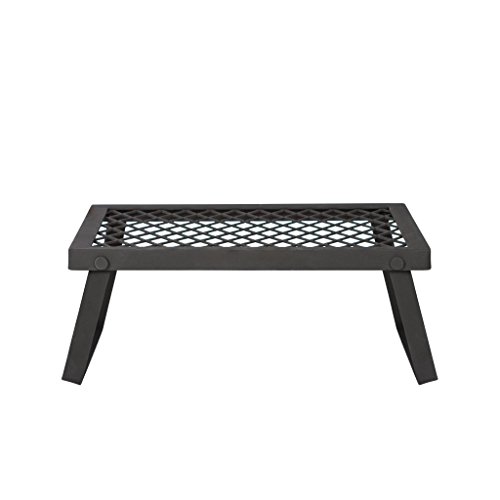
- Campfire – Rustic and traditional, but less consistent.
- Portable gas canisters – Good balance of weight and convenience.
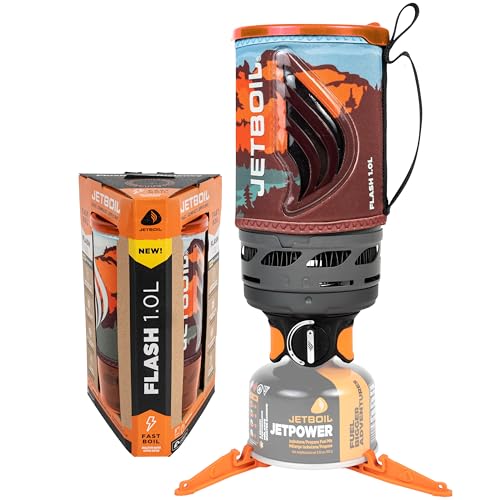
- Jetboil or backpacking stove – Ultralight solutions for hikers.
Make sure your chosen coffee maker is compatible with your heat source.
8. Budget
Prices vary widely:
- $10–$20 – Simple pour-over cones, plastic presses, basic percolators.
- $30–$60 – Durable stainless steel French presses, AeroPress kits, moka pots.
- $70–$150+ – Specialty espresso makers, high-capacity percolators, premium ultralight systems.
Decide whether coffee is a luxury or a centerpiece of your camping experience.
|

|
|
|
|
3.5
|
3.5
|
3.5
|
3.5
|
|
$97.44
|
$79.85
|
$124.39
|
$27.99
|
Real-World Takeaways: What Campers Love (and Avoid)
Here’s what campers are saying about their coffee setups
- Instant Coffee Wins on Convenience—but Quality Varies
Many campers stick with instant coffee for one reason: zero cleanup. However, they caution that not all instant coffee tastes good. Brands like Starbucks VIA, Alpine Start, or specialty blends (some even noting “mushroom coffee”) get the best mentions for flavor. - Pour-Over Solutions = Fresh Flavor, Low Fuss
Lightweight drip setups—like collapsible cones, the GSI Java Drip, or makeshift filters—are popular for delivering clean coffee. The trick: pack filters or use reusable mesh to simplify cleanup. - AeroPress: Small but Mighty
The AeroPress, especially the compact Go version, is praised for high-quality coffee, compact size, and easy cleanup. Many find it a near-perfect balance between taste and effort. - French Press: Tasty but Messy
Traditional French presses can make fuller flavor, but campers often ditch them because the cleanup is cumbersome—grounds cling, and water is often limited. - Percolators and Moka Pots for Classic Camp Vibes
Durable and nostalgic, percolators are reliable for group servings, and Moka pots (like Bialetti) brew strong, espresso-like coffee. Grounds tend to form a puck for easy disposal. - Cowboy Coffee: Old School Simplicity
A no-gear method—boil grounds directly, let them settle, and pour carefully. Some add a splash of cold water to help grounds sink. Rustic but effective. - Clever Hacks: Pre-Brew, Coffee Bags, or Freeze Ahead
- Freeze-brewed coffee in mason jars doubles as ice and cold brew storage.
- Pre-packed “coffee bags” (loose leaf-style) minimize mess—just steep and toss.
- Some dot grind into ziplock bags with filters for easy pour-over preparation.
Breakdown of Popular Camping Coffee Makers
Let’s take a closer look at each type, their pros and cons, and when they shine.
1. Pour-Over Coffee Makers
Best for: Ultralight backpackers, flavor purists.
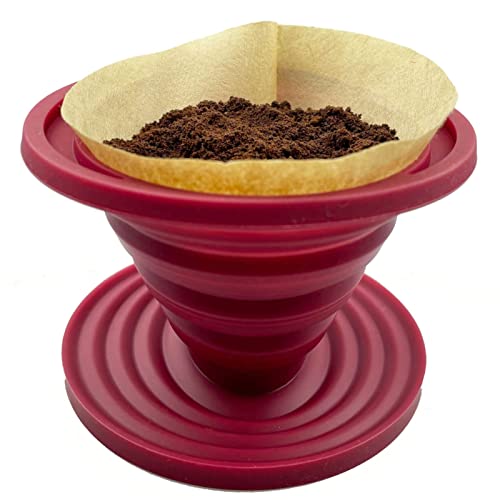
Pour-over coffee makers are compact, often collapsible, and deliver a clean, bright cup of coffee. They usually sit right over your mug, requiring only hot water and a filter.
Pros:
- Lightweight and compact.
- Clean flavor with good control.
- Easy to clean.
Cons:
- Requires filters (unless you get a mesh model).
- Slower for groups.
- Technique-sensitive.
Examples: Snow Peak Collapsible Dripper, GSI Outdoors Ultralight Java Drip.

2. French Press
Best for: Car campers and small groups who love rich, bold coffee.
French presses are simple: steep grounds in hot water, then press. Many camping models use stainless steel or BPA-free plastic for durability.
Pros:
- Full-bodied flavor.
- No filters needed.
- Brews multiple cups at once.
Cons:
- Can be messy to clean.
- Grounds sometimes slip through the mesh.
- Bulkier than pour-over options.
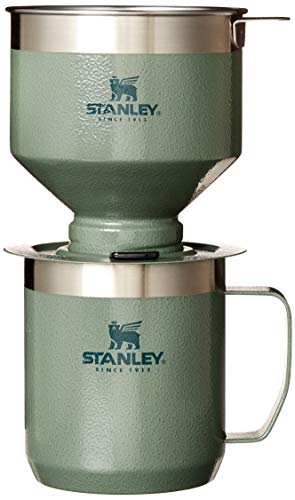
Examples: Stanley Classic Travel Press, GSI JavaPress.

3. Percolator
Best for: Traditionalists, large groups, and campfire enthusiasts.
The percolator is a campfire classic. Water boils up through a tube, cycling over the grounds until the coffee reaches desired strength.
Pros:
- Nostalgic and rustic.
- Great for big batches.
- Works directly on a campfire.
Cons:
- Can easily over-extract and taste bitter.
- Bulky for backpacking.
- Longer brew time.
Examples: Coleman Stainless Steel Percolator, Farberware Yosemite.
4. AeroPress
Best for: Versatile campers, solo or duo trips, quick brews.
The AeroPress has become a cult favorite for both home and outdoor use. It uses air pressure to brew smooth, strong coffee in under 2 minutes.
Pros:
- Compact and durable.
- Quick brewing and cleanup.
- Can make espresso-style coffee.
Cons:
- Requires paper filters (though reusable options exist).
- Small capacity (1–2 cups).
Examples: AeroPress Go, Original AeroPress.
5. Moka Pot (Stovetop Espresso Maker)
Best for: Espresso lovers and those with a camp stove.
The moka pot brews strong, concentrated coffee by pushing steam through the grounds. It’s great if you like lattes or cappuccino-style drinks while camping.
Pros:
- Strong, espresso-like coffee.
- Durable metal construction.
- No filters required.
Cons:
- Works best on a stable camp stove, not a campfire.
- Heavy for backpacking.
- Can be finicky with heat.
Examples: Bialetti Moka Express, GSI Outdoors Moka Pot.

6. Instant Coffee & Coffee Bags
Best for: Minimalists, ultralight backpackers, emergency backups.
Instant coffee has come a long way. Brands like Starbucks VIA, Alpine Start, and Mount Hagen offer surprisingly good flavor without the hassle of brewing. Coffee “tea bags” (like Steeped Coffee) are also convenient.
Pros:
- Lightest and simplest option.
- No cleanup.
- Just add hot water.
Cons:
- Not as fresh or flavorful.
- Single-serve only.
Examples: Alpine Start Instant Coffee, Steeped Coffee Bags.

7. Portable Espresso Makers
Best for: Coffee enthusiasts who want barista-level drinks outdoors.
Compact espresso makers like the Wacaco Nanopresso use manual pressure to brew espresso shots on the go.
Pros:
- Authentic espresso outdoors.
- Small and portable.
- Works with ground coffee or pods (depending on model).
Cons:
- Expensive.
- More moving parts to clean.
- Limited capacity.
Examples: Wacaco Nanopresso, Handpresso Pump (Handpresso is not delivering to the US at this time.)

*Side note on coffee grinders
When it comes to camping, a manual coffee grinder can be a game-changer for anyone who values fresh, flavorful coffee in the outdoors. Unlike pre-ground beans, freshly ground coffee retains its aroma and oils, delivering a richer brew even at the campsite. Manual grinders are compact, durable, and don’t require electricity, making them perfect for both backpackers and car campers. Models like the KINGrinder K6 strike a balance between portability and precision, with stainless steel burrs and fine grind adjustments that let you dial in everything from espresso to French press. While they add a little extra weight to your pack, the payoff is café-quality coffee wherever you pitch your tent—turning your morning ritual into a highlight of the trip.
The 7 Best Coffee Grinders for Outdoor Trips – Read this for a great guide on manual coffee grinders and what to choose.
Gear Picks by Camping Style
Here’s a quick match-up of gear by your camping style and coffee goals:
| Camping Style | Recommended Setup | Why It Works |
|---|---|---|
| Ultralight Backpack | High-quality instant (VIA or Alpine) | Light, fast, no cleanup. Ideal when every ounce counts. |
| Solo or Duo Car Camp | AeroPress Go | Great flavor, compact, easy cleanup. |
| Group / Car Camp | Percolator or Moka pot | Durable, serves multiple cups, classic brewing experience. |
| Ritual Lovers | Pour-over (GSI drip or coffee bag) | Fresh taste with minimal parts—just brew and toss the filter. |
| Minimalists | Cowboy coffee or pre-packed brewing kits | No gear required, fast and simple. |
Pro Tips for Brewing Coffee While Camping
- Use fresh grounds – Grind before you leave or bring a portable grinder.
- Measure correctly – A standard ratio is 2 tablespoons of coffee per 6 ounces of water.
- Mind the water – If using river or lake water, always filter and boil first.
- Control the heat – Coffee burns easily; aim for water just below boiling.
- Clean as you go – Grounds left behind attract critters and odors.

|

|

|

|
|
3.5
|
3.5
|
3.5
|
3.5
|
|
$220.00
|
$79.00
|
$139.00
|
$24.96
|
Recommended Setups Based on Camping Style
Here’s a quick breakdown of what might work best for different campers:
- Backpackers – Collapsible pour-over, AeroPress Go, instant coffee.
- Car Campers – French press, moka pot, percolator.
- Families/Groups – Large percolator or stainless steel French press.
- Coffee Aficionados – AeroPress, moka pot, or portable espresso maker.
- Minimalists – Instant coffee packets or coffee bags.
Final Thoughts
Coffee is more than just caffeine—it’s ritual, comfort, and connection. Choosing the right coffee maker for camping can turn an ordinary morning into something special. Whether you’re perched on a mountainside sipping an AeroPress shot or passing a steaming percolator around the fire, the right gear makes all the difference.
So, before your next adventure, think about:
- How much weight you can carry.
- How many people you’re brewing for.
- How much effort you want to put into the process.
- And, most importantly, what kind of coffee experience makes you happiest.
With the perfect camping coffee maker, mornings in the wild will never be the same.
Pingback: The 7 Best Coffee Grinders for Outdoor Trips - Coffee Campout
Pingback: How Coffee Mugs Keep Coffee Hot: The Science, Adventure, and Magic Behind Your Daily Cup - Coffee Campout
Pingback: Will Coffee Make You Poop? - Coffee Campout