
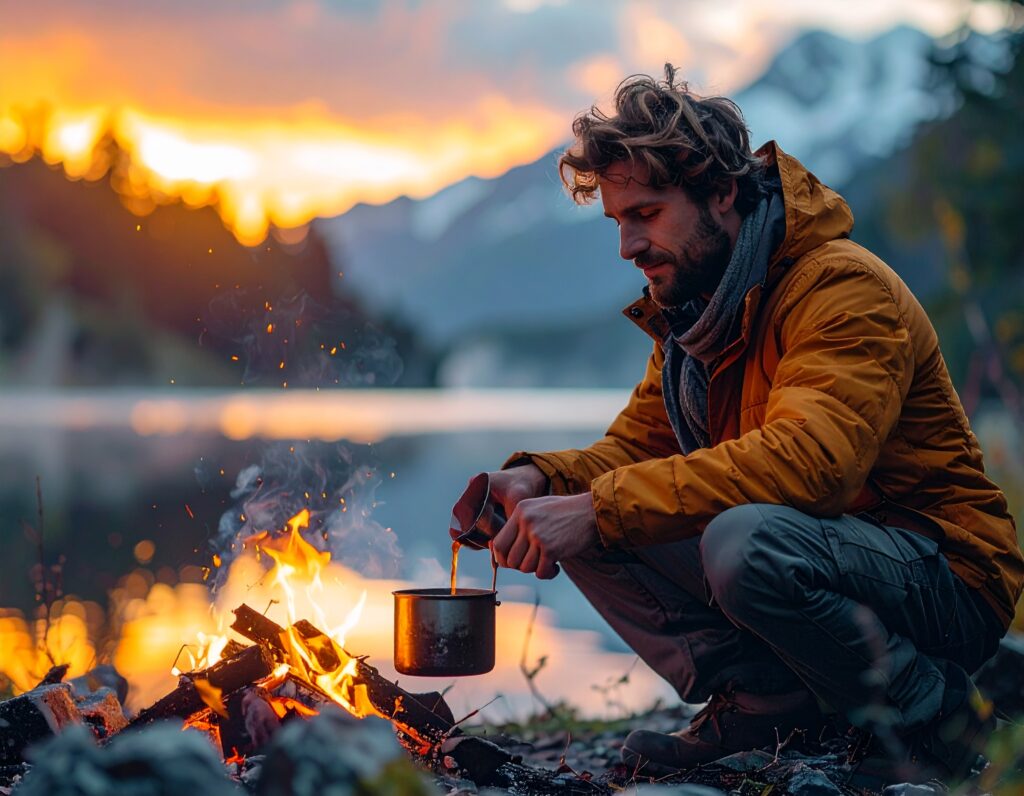
Learn the history, techniques, and secrets behind cowboy coffee—the bold, unfiltered brew of the Wild West. Discover real-world tips, tricks, and brewing variations to make the perfect cup over a campfire or stove.
What Is Cowboy Coffee?
Cowboy coffee is one of the oldest and simplest brewing methods: just coffee, water, fire, and a pot. No filters, no gadgets, no fancy pour-overs—just pure rugged simplicity. Originating from cattle drives, logging camps, and homesteads of the American West, cowboy coffee became the fuel of frontier life.
While modern coffee lovers may turn to espresso machines or pour-over setups, cowboy coffee still has its devoted following today. It’s not just about nostalgia—it’s about flavor, ritual, and the freedom of brewing anywhere.
Cowboy Coffee vs. French Press (and Turkish Coffee Too)
At first glance, cowboy coffee might look like a rougher version of a French press. Both involve steeping coarse grounds in hot water and letting them settle. The difference is in the lack of a filter—cowboy coffee relies on gravity, patience, or a little trickery to clear out grounds.
Some coffee drinkers compare it more closely to Turkish or Greek coffee, which also relies on fine grounds and boiling. The key difference is grind size: cowboy coffee is typically coarser, while Turkish is powder-fine. But both methods share one thing in common—when done right, the sediment sinks and you’re left with a smooth, rich brew.
|

|
|
|
|
3.5
|
3.5
|
3.5
|
3.5
|
|
$97.44
|
$79.85
|
$124.39
|
$27.99
|

The Classic Cowboy Coffee Method
Here’s the timeless method passed down from ranchers and chuckwagon cooks:
- Boil Water – Bring a pot of water to a rolling boil over a campfire or stove.
- Add Grounds – Toss in coarsely ground coffee (a common ratio is 2 tablespoons per 8 ounces of water).
- Let It Foam – Some old-timers let the pot boil for 10–20 seconds, just enough to create foam.
- Cool It Down – Remove from heat. A splash of cold water or just a minute of resting helps the grounds settle to the bottom.
- Pour Carefully – Serve slowly, stopping before you reach the sludge at the bottom.
That’s it. No filters. No gadgets. Just you, the fire, and the coffee.
FURTHER READING: Check out this post on how to grind your coffee fresh before cooking.
Real-World Brewing Variations
Modern coffee drinkers experimenting with cowboy coffee have developed their own clever twists:
- The Flame-and-Sink Method – Some brew right on the flame, letting the coffee boil briefly before pulling it off the heat. After a minute, the grounds naturally sink to the bottom—no strainer required.
- Altitude Advantage – At high elevations, water boils at a lower temperature, which naturally softens acidity and prevents over-extraction. This makes cowboy coffee taste smoother than at sea level.
- Egg Coffee Tradition – Scandinavian settlers brought a trick where you mix a raw egg (shell and all) into the grounds before boiling. The egg helps clarify the brew, binding with the grounds so they sink, producing a surprisingly smooth and less bitter cup.
- Turkish-Style Twist – Others take inspiration from Turkish coffee, letting the pot boil for just a few seconds, then resting it to let floaters sink before pouring into warm milk.
- Minimalist Mug Brew – One practical method is brewing right in the mug: add grounds, pour boiling water, stir, wait, skim foam, and drink carefully once the grounds settle.
Each technique reflects cowboy coffee’s spirit: there’s no single “right” way. It’s all about adapting to your tools, taste, and surroundings.

|

|
|

|
|
|
3.5
|
3.5
|
3.5
|
3.5
|
3.5
|
|
$19.99
|
$19.49
|
N/A
|
N/A
|
$28.04
|
Tips for a Better Cowboy Coffee Experience
- Use fresh, coarse grounds – Too fine and you’ll end up with sludge.
- Don’t over-boil – A few seconds of bubbling is plenty; too long makes the brew bitter and oily.
- Let it rest – Give your pot 1–2 minutes after boiling for the grounds to sink.
- Pour slowly – Stop before you reach the bottom sediment.
- Experiment with ratios – A 1:16 coffee-to-water ratio is a solid starting point, but adjust to taste.
Why Cowboy Coffee Still Matters
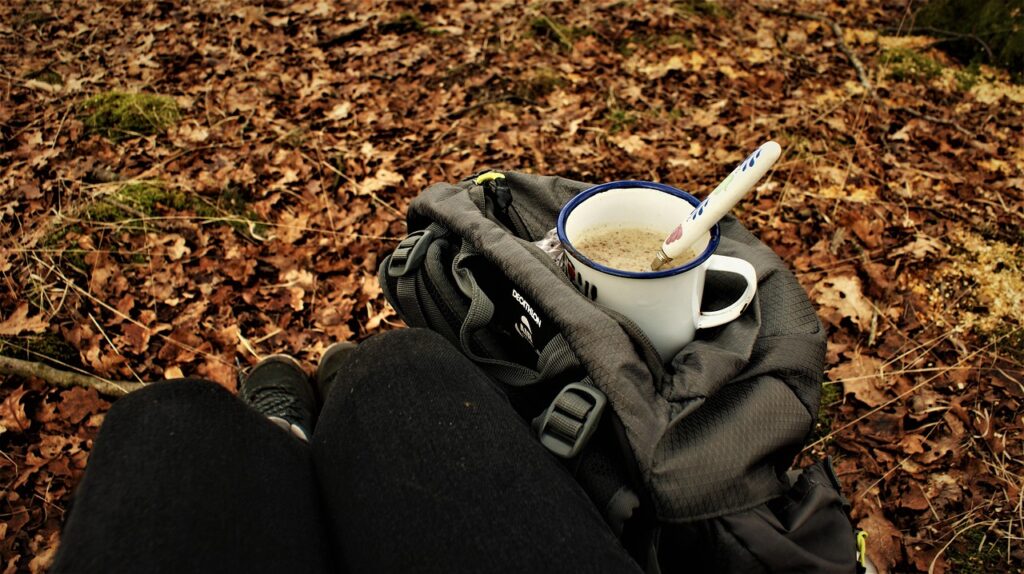
Cowboy coffee isn’t just about caffeine—it’s about connection. It links us back to cattle drives, logging camps, frontier kitchens, and the crackle of morning campfires. Watching the grounds swirl, foam, and sink is meditative in its own way, a small ritual that grounds you in the present moment.
And let’s be honest—there’s something satisfying about mastering such a simple, old-world method in an age of over-complicated brewing gear.
Final Thoughts
Cowboy coffee is the ultimate back-to-basics brew. It’s rugged, flexible, and forgiving—perfect whether you’re on the trail, camping in the woods, or just wanting a break from pour-overs and espresso machines.
Try the traditional method, experiment with an egg clarifier, or borrow a Turkish-style twist. With a little practice, you’ll discover your own version of the perfect cowboy coffee—smooth, strong, and unforgettable.